







Can Class IV Laser Therapy in Aventura Help Tennis Elbow Pain?
Most people think tennis elbow is just about soreness. Rest it, ice it, maybe pop an anti-inflammatory and call it a day. But that tendon damage doesn't always heal on its own — and if you're still gripping a wrench or typing emails through the pain, you're making it worse. Traditional treatments help some of the time. But more patients in Aventura are now turning to Class IV laser therapy, a non-invasive option that targets the root of the inflammation and kicks healing into gear.
So here's what matters. If you're dealing with chronic elbow pain that's keeping you from work or hobbies, laser therapy might be the breakthrough you need. Just don't expect magic. Every session should be backed by proper assessment. Every treatment plan needs to fit your specific condition. And every decision should be grounded in whether the therapy addresses your pain — not just whether it sounds cutting-edge.
What Tennis Elbow Actually Does to Your Arm
Tennis elbow hits when the tendons connecting your forearm muscles to the outer elbow get overloaded. Repetitive wrist and arm motions cause microscopic tears in the tissue, leading to inflammation and pain. It's not just athletes who deal with this — painters, plumbers, office workers, anyone who grips tools or types for hours can develop it.
Symptoms show up as pain on the outside of the elbow, weakness in your grip, and difficulty with simple tasks like turning a doorknob or lifting a coffee mug. Left untreated, the pain can become chronic and severely limit your range of motion.
The Science Behind Class IV Laser Therapy
Class IV laser therapy uses specific wavelengths of light to penetrate deep into damaged tissues. Unlike weaker lasers, Class IV devices deliver higher power output, which means they can reach structures like tendons and muscles that sit below the skin's surface. The light energy absorbed by your cells triggers a boost in ATP production — the fuel your cells need to repair themselves.
This process reduces inflammation, improves blood flow, and accelerates tissue healing. For tennis elbow, that means the damaged tendons get the resources they need to rebuild, while the pain and swelling that keep you sidelined start to fade.
How the Treatment Works on Damaged Tendons
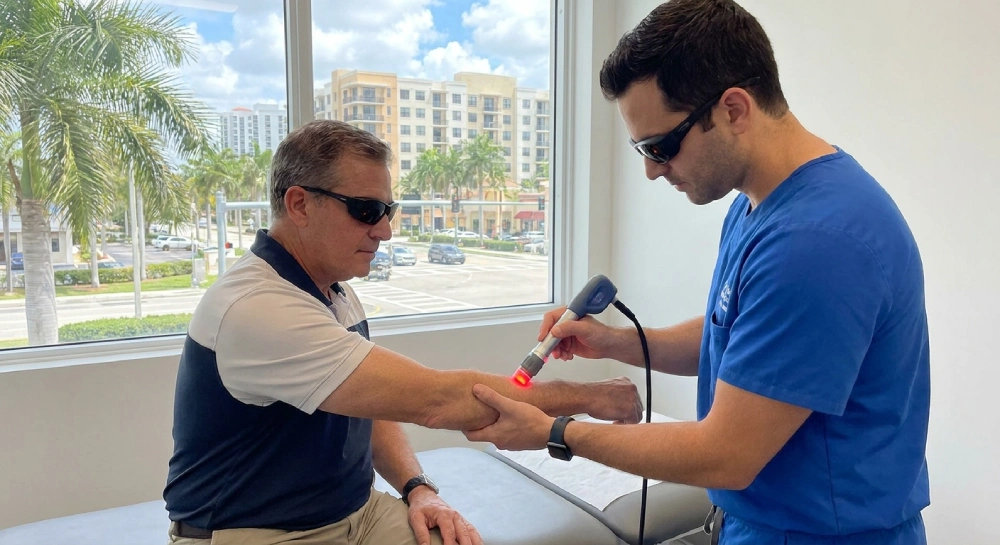
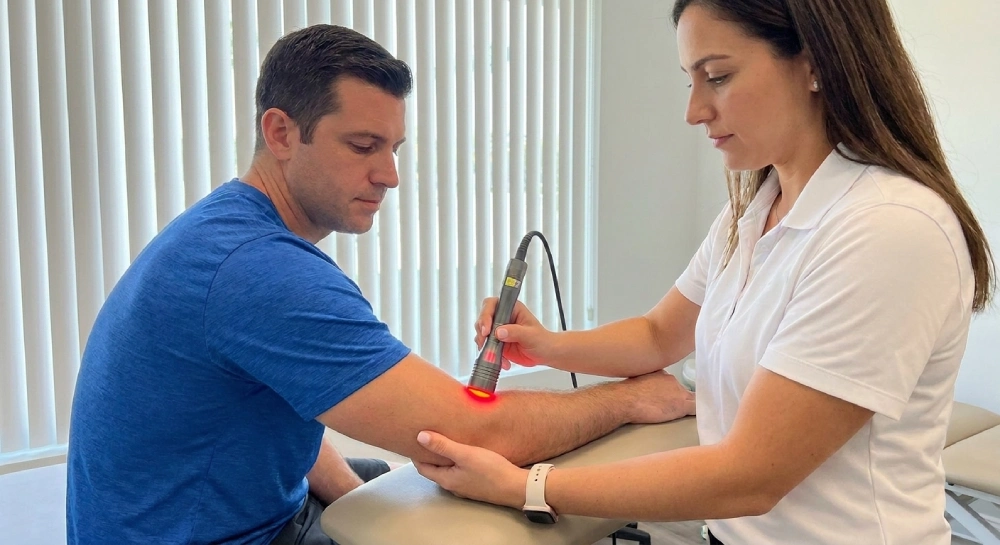
When the laser is applied to your elbow, photons of light penetrate the skin and are absorbed by the cells in the affected area. This absorption increases cellular metabolism, which enhances the body's natural repair mechanisms. At the same time, the therapy reduces inflammatory markers and stimulates the production of collagen, the protein that rebuilds tendon tissue.
The result is faster recovery, less pain, and improved function. Most patients notice a difference within a few sessions, though the total number of treatments depends on the severity of the condition.
What Makes Class IV Different from Other Options
- Higher power output: Class IV lasers deliver more energy than lower-class devices, allowing them to treat deeper tissues more effectively.
- Faster sessions: Treatments typically take 5 to 15 minutes, making them easy to fit into a busy schedule.
- No downtime: You can return to your normal activities immediately after each session.
- Non-invasive: No needles, no incisions, and no medications — just targeted light therapy.
- Minimal side effects: Most patients experience only mild warmth or tingling during treatment.
Who Benefits Most from Laser Therapy
If you've tried rest, ice, bracing, and over-the-counter pain relievers without lasting relief, laser therapy could be the next step. It's especially effective for chronic cases where the tendon damage hasn't responded to conservative treatments. Patients who want to avoid steroid injections or surgery often turn to this option first.
That said, laser therapy isn't a fit for everyone. Pregnant women, individuals with active cancer, and those with certain photosensitivity conditions should consult their healthcare provider before starting treatment. Always choose a clinic in Aventura with trained practitioners who understand the correct settings and protocols for your condition.
What Happens During a Session in Aventura
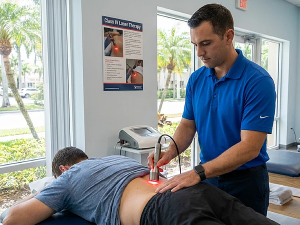
Your first visit will include an assessment of your pain, range of motion, and the specific location of tendon damage. The practitioner will then adjust the laser settings based on the depth and severity of your condition. During the session, the laser device is moved slowly over the affected area, delivering controlled pulses of light energy.
Most patients describe the sensation as warm and soothing — nothing painful or uncomfortable. There's no recovery period, so you can leave the clinic and go straight back to work, errands, or exercise. Some people feel immediate relief, while others notice gradual improvement over the course of several sessions.
How Many Sessions You'll Need
- Acute cases: Patients with recent-onset tennis elbow may see results in 3 to 5 sessions.
- Chronic cases: Long-standing tendon damage often requires 6 to 10 sessions for full recovery.
- Maintenance treatments: Some patients benefit from occasional follow-up sessions to prevent recurrence.
- Session frequency: Most clinics recommend 2 to 3 sessions per week for optimal results.
- Individualized plans: Your provider will adjust the treatment schedule based on your progress and response to therapy.
When Laser Therapy Isn't Enough
Laser therapy works best when combined with other strategies. Physical therapy, ergonomic adjustments, and activity modification all play a role in long-term recovery. If you keep performing the same repetitive motions that caused the injury in the first place, the pain will likely return — even after successful laser treatment.
In severe cases where the tendon has completely torn or other structural issues exist, surgery may still be necessary. But for the majority of tennis elbow patients, laser therapy offers a safe, effective alternative that addresses the pain and inflammation without the risks and recovery time associated with invasive procedures.
Choosing the Right Clinic in Aventura
- Look for certified practitioners: Ensure the clinic employs staff trained in Class IV laser therapy protocols.
- Ask about the equipment: Not all laser devices are created equal — Class IV systems are more powerful and effective than lower-class models.
- Check patient reviews: Real feedback from people who've treated tennis elbow at the clinic can give you insight into what to expect.
- Verify insurance coverage: Some insurance plans cover laser therapy, while others don't — confirm the details before starting treatment.
- Request a consultation: A reputable clinic will assess your condition and explain whether laser therapy is the right fit for your needs.
Pain Relief That Doesn't Require a Scalpel
Tennis elbow can drag on for months, limiting your work, hobbies, and daily function. But you don't have to live with the pain or jump straight to invasive treatments. Class IV laser therapy offers a proven, research-backed option that accelerates healing, reduces inflammation, and gets you back to full strength faster.
If you're in Aventura and conservative treatments haven't delivered the relief you need, it's worth exploring elbow pain relief with a qualified provider. The sessions are quick, the risks are minimal, and the results speak for themselves. Don't let tennis elbow keep you on the sidelines when a solution that actually works is within reach.
Let’s Get You Back to What You Love
We know how frustrating it is to have tennis elbow slow you down. Let’s work together to find a solution that gets you back to your favorite activities, pain-free. If you’re ready to take the next step, give us a call at 954 474-3611 or request appointment and let’s start your recovery journey today.
‹ Back
Recent Posts
-
Shockwave Therapy in Knoxville for Chronic Prostatitis
September 16, 2026
-
Can Physical Therapy in North Miami Beach Ease Neck Pain From Sports?
September 2, 2026
-
-
Can Physical Therapy in Davie Help After an ACL Tear?
August 5, 2026
-