







Pelvic Health Therapy in Knoxville for Incontinence After Childbirth
Most new mothers think postpartum recovery is just about sleep schedules and feeding routines. But your body went through more than that — and if you're ignoring bladder leaks, you're letting a fixable problem become your normal. Incontinence after childbirth isn't a life sentence. It's a signal that your pelvic floor needs attention. And in Knoxville, there are professionals who know exactly how to give it.
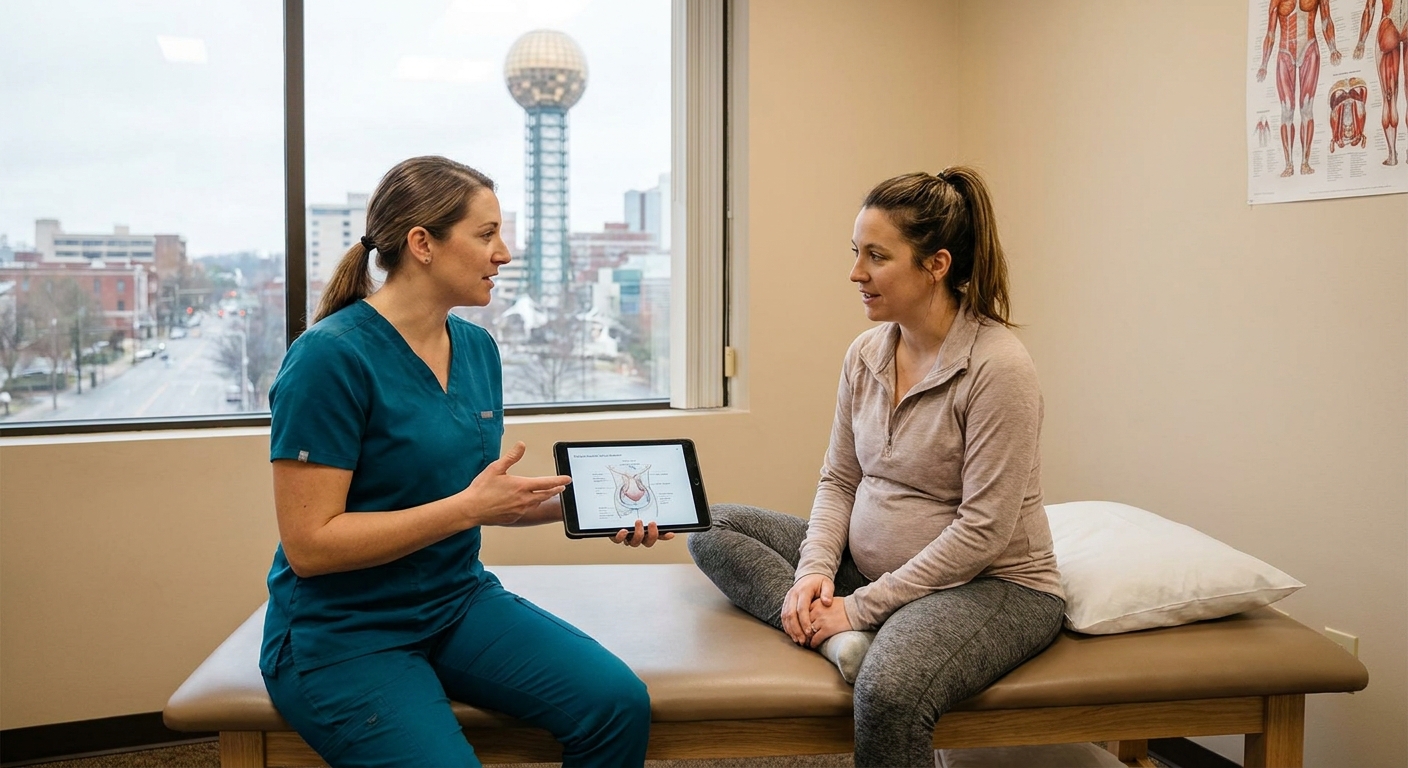
So here's the reality. If you're dealing with leaks when you sneeze, jump, or laugh too hard, that's not just "part of motherhood." That's pelvic floor dysfunction — and it responds to the right kind of therapy. Every symptom has a root cause. Every treatment plan should be built around how your body actually works — not just what sounds good on paper.
When Leaks Aren't Just a Nuisance
Stress incontinence shows up when pressure hits your bladder — coughing, lifting your baby, running to catch a toddler. Urge incontinence is that sudden, can't-wait feeling that sends you scrambling for a bathroom. Both are common after delivery, especially if you pushed for hours or had assistance during birth. Your pelvic floor took a beating. That's not weakness. That's anatomy.
But here's the thing. What starts as occasional leaks can turn into avoidance. You stop exercising. You map out every bathroom on your route. You skip events because you're worried. That's when a medical issue becomes a quality-of-life problem — and that's when we step in.
What Pelvic Health Therapy Actually Does
Pelvic health therapy isn't vague wellness advice. It's targeted physical therapy for the muscles that control your bladder, bowel, and core stability. In Knoxville, certified therapists assess how well those muscles contract, relax, and coordinate. Then they build a plan based on what your body needs — not a one-size-fits-all protocol.
Treatment might include exercises, manual work, or retraining how you use the bathroom. The goal is simple. Restore function. Reduce symptoms. Get you back to normal life without constantly thinking about where the nearest restroom is.
The Tools That Make Recovery Happen
Every treatment plan is different, but most programs pull from a core set of techniques. These aren't experimental. They're evidence-based methods that work when applied correctly.
- Pelvic floor strengthening: Targeted exercises that rebuild muscle tone and endurance, taught by someone who knows how to cue them properly
- Biofeedback training: Real-time feedback so you can see when you're activating the right muscles — no more guessing if you're doing it right
- Bladder retraining: Structured schedules that help you regain control over urgency and frequency
- Manual therapy: Hands-on techniques to release tension, improve circulation, and address scar tissue or tightness
- Lifestyle adjustments: Guidance on fluid intake, dietary triggers, and habits that either help or hurt your progress
Why Knoxville Offers Real Advantages
Finding a pelvic health therapist shouldn't feel like searching for a unicorn. Knoxville has a growing network of clinics staffed by specialists who treat postpartum incontinence every single day. They know the difference between a weak pelvic floor and an overactive one. They know when to push and when to back off. And they know how to help you without making you feel broken.
Here's what sets local care apart:
- Customized plans: No cookie-cutter routines — your treatment reflects your delivery, your symptoms, and your goals
- Judgment-free zones: These are professionals who talk about pelvic floors all day. Nothing embarrasses them, so nothing should embarrass you
- Current techniques: Knoxville therapists stay trained on the latest research and methods in pelvic rehabilitation
- Accessibility: Multiple locations mean you're not driving an hour each way for a 45-minute session
When Waiting Stops Making Sense
Some leakage right after delivery is expected. Your body just went through trauma — and yes, childbirth is trauma, even when it goes well. But if you're six weeks postpartum and still dealing with daily leaks, or if symptoms are getting worse instead of better, that's your cue. Early intervention makes a massive difference. The longer dysfunction sits, the harder it is to reverse.
And if you're avoiding activities you love — exercise, travel, intimacy — because of bladder control, you've already waited too long. This isn't vanity. It's function. And function matters.
What a Real Assessment Looks Like
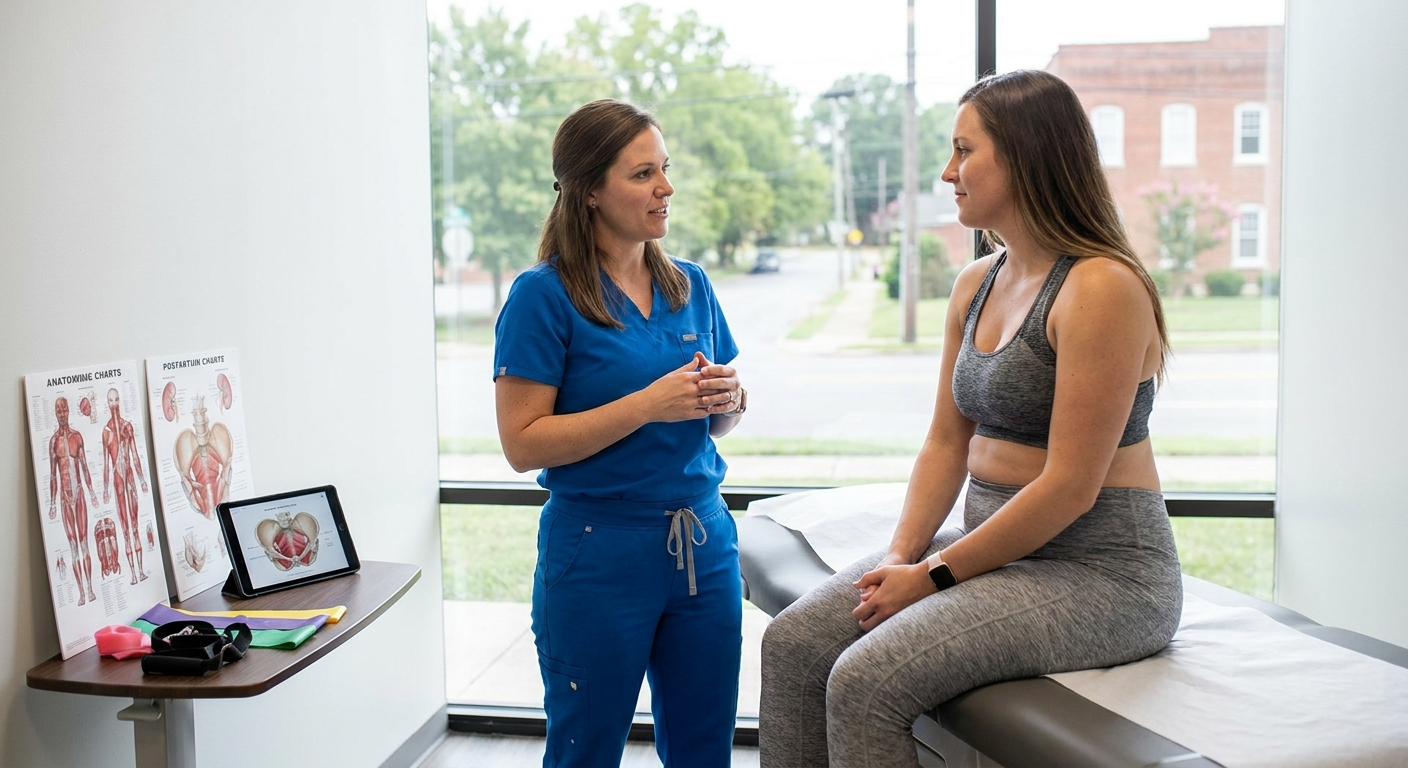
Your first visit isn't a lecture. It's a conversation backed by a physical exam. The therapist will ask about your pregnancy, delivery, and current symptoms. Then they'll evaluate pelvic floor strength, coordination, and any areas of tension or weakness. From there, they'll map out a treatment timeline and explain what you can expect at each stage.
Here's what your therapist will likely check:
- Muscle strength and endurance during contraction
- Ability to fully relax the pelvic floor between contractions
- Core and hip stability, since those systems work together
- Posture and movement patterns that might be contributing to symptoms
- Scar tissue or tightness from tearing or episiotomy
Progress You Can Actually Measure
Good therapy doesn't rely on hope. It tracks metrics. How many leaks per day? How long between bathroom trips? Can you do a jumping jack without crossing your legs? These benchmarks tell you whether the plan is working — and when it's time to level up.
Most patients see noticeable improvement within four to six weeks if they're consistent with home exercises and follow the therapist's guidance. Some take longer, especially if there's nerve involvement or significant tissue damage. But improvement is the norm, not the exception.
Common Mistakes That Slow Recovery
We see the same missteps over and over. They're easy to avoid once you know what to watch for.
- Skipping exercises because you "feel fine": Symptoms can lie low and then come roaring back under stress. Consistency beats intensity every time
- Doing Kegels wrong: Squeezing the wrong muscles or holding your breath defeats the purpose. If you're not sure, get coached
- Ignoring posture and breathing: Your pelvic floor doesn't work in isolation. Poor posture creates pressure that undermines your progress
- Expecting overnight results: Muscles take time to rebuild. Stick with the plan, and the payoff will come
Getting Started Without the Runaround
You don't need a referral to see a pelvic health therapist in most cases, though some insurance plans require one. Call ahead, verify coverage, and book your eval. Most clinics can get you in within a week or two — not months.
Bring a list of your symptoms, any relevant medical records from your delivery, and questions you want answered. The more honest you are about what's happening, the faster your therapist can build a plan that works.
Making Recovery Part of Your Routine
Pelvic health therapy isn't about spending your life in a clinic. It's about learning what works, doing it consistently, and eventually graduating back to normal activity. Most programs run eight to twelve weeks, with follow-ups as needed. After that, you're equipped to maintain strength on your own.
Motherhood is hard enough without adding bladder anxiety to the mix. Incontinence after childbirth is common, but it's not inevitable — and it's definitely not permanent. Knoxville has the therapists, the tools, and the track record to help you fix it. You just have to show up and do the work. The rest takes care of itself.
Take the First Step Toward Confidence
We know how much your daily life can change when you’re not worried about leaks or bathroom breaks. Let’s work together to restore your comfort and confidence so you can focus on what matters most. If you’re ready to talk with a team that understands postpartum recovery, call us at 865 240-3550 or request an appointment today and let’s get you back to feeling your best.
‹ Back
Recent Posts
-
Pelvic Health Therapy in Knoxville for Incontinence After Childbirth
September 30, 2026
-
Shockwave Therapy in Knoxville for Chronic Prostatitis
September 16, 2026
-
Can Physical Therapy in North Miami Beach Ease Neck Pain From Sports?
September 2, 2026
-
-
Can Physical Therapy in Davie Help After an ACL Tear?
August 5, 2026