







How Rotator Cuff Tears Are Treated Without Surgery in Pembroke Pines
Most people think a torn rotator cuff means surgery. Scalpels, anesthesia, months of recovery. But that's not always the case — and if you're jumping straight to the operating room without exploring other options, you're missing the bigger picture. Plenty of tears respond to conservative treatment. The key is knowing what works, committing to the process, and not treating your shoulder like it'll fix itself overnight.
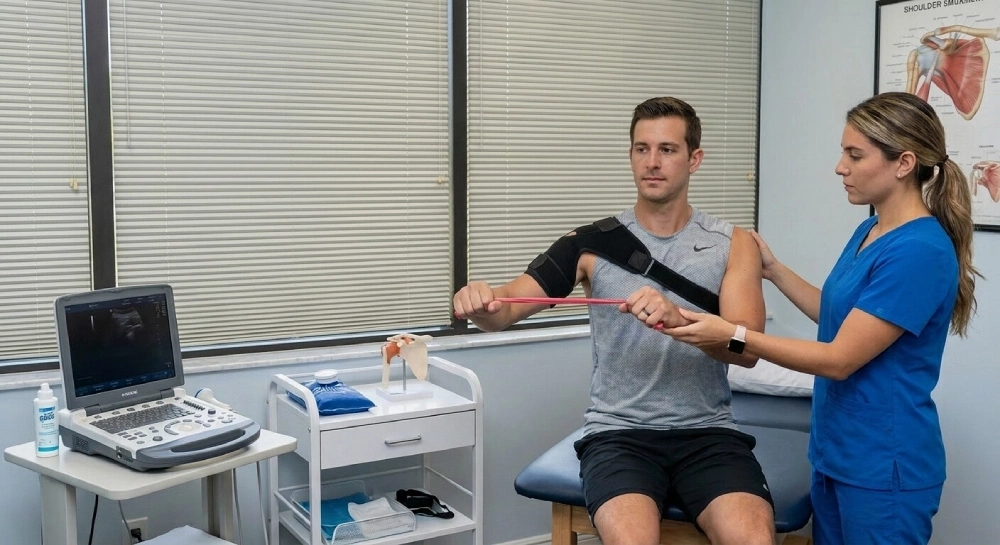
We've seen patients in Pembroke Pines avoid surgery entirely by following a structured, evidence-based approach. No shortcuts. No guessing. Just consistent effort backed by the right interventions. If you're dealing with shoulder pain and limited mobility, here's what non-surgical treatment actually looks like — and why it works when done correctly.
Tears Don't Always Need a Surgeon
Your rotator cuff is made up of four muscles and their tendons, all working together to stabilize your shoulder and keep it moving smoothly. When one of those tendons tears — whether from a fall, repetitive motion, or just years of wear — the pain can be sharp, the weakness real, and the frustration immediate. But not every tear requires surgical repair.
Partial tears, small full-thickness tears, and even some larger ones can heal or stabilize with the right treatment plan. Age matters. Activity level matters. So does how quickly you address the problem. The longer you wait, the harder it gets to reverse the damage. But if you catch it early and stay disciplined, surgery might never enter the conversation.
Rest Isn't Lazy, It's Strategic
The first move is is often the simplest — stop doing what's making it worse. That doesn't mean you sit on the couch for six months. It means you modify your activities, avoid overhead lifting, and give the inflamed tissue a chance to calm down. Think of it as hitting pause, not quitting.
We're not talking about complete immobilization. That can actually make things worse by causing stiffness and muscle atrophy. The goal is controlled rest — enough to reduce irritation, but not so much that you lose function. Your doctor or therapist will guide you on what to avoid and when to start reintroducing movement.
Physical Therapy Does the Heavy Lifting
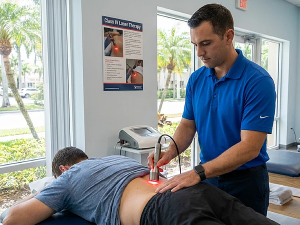
This is where most of the real work happens. Physical therapy isn't just stretching and ice packs — it's a targeted program designed to rebuild strength, restore range of motion, and retrain your shoulder to move the way it's supposed to. In Pembroke Pines, skilled therapists create individualized plans based on your specific tear, pain level, and goals.
Therapy typically focuses on strengthening the muscles around the shoulder joint, improving flexibility, correcting posture, and reducing inflammation. It's not glamorous. It's repetitive. But it works. Patients who stick with their therapy sessions and do their home exercises see the best outcomes — often avoiding surgery altogether.
- Strengthening exercises target the rotator cuff and surrounding stabilizers
- Range-of-motion work prevents stiffness and restores mobility
- Postural training reduces strain on the shoulder during daily activities
- Pain management techniques help you stay active without aggravating the injury
- Functional training prepares you to return to work, sports, or hobbies safely
Medications Keep Pain in Check
Over-the-counter anti-inflammatories like ibuprofen or naproxen can help manage pain and reduce swelling, especially in the early stages. Acetaminophen is another option if you can't tolerate NSAIDs. These aren't cures — they're tools to keep you comfortable enough to participate in therapy and daily life.
If over-the-counter options aren't cutting it, your doctor may prescribe something stronger for short-term use. But medication alone won't heal a tear. It's a support player, not the star of the show.
Injections Offer Temporary Relief
When pain is severe enough to interfere with therapy or sleep, corticosteroid injections can provide significant relief. These shots deliver anti-inflammatory medication directly into the shoulder joint, reducing swelling and discomfort for weeks or even months. That window of relief can be critical — it allows you to engage more fully in physical therapy and make real progress.
Injections aren't a long-term solution. They're a bridge. Use them wisely, and they can help you avoid surgery. Overuse them, and you risk weakening the tendon further. Your provider will monitor how many you receive and space them out appropriately.
Regenerative Options Are Gaining Ground
Some clinics in Pembroke Pines offer platelet-rich plasma therapy, which involves injecting a concentrated dose of your own platelets into the injured area to promote healing. The science is still evolving, but early results are promising for certain patients. It's not a magic bullet, but it's another tool in the non-surgical toolkit.
PRP works best when combined with physical therapy and activity modification. It's not a standalone fix. If you're considering it, make sure you're working with a provider who understands the research and can set realistic expectations.
Heat and Ice Have Their Place
Ice is your friend in the acute phase — right after an injury or during a flare-up. It reduces inflammation and numbs pain. Apply it for 15 to 20 minutes at a time, several times a day. Once the initial swelling subsides, heat can help relax tight muscles and improve blood flow. Alternate between the two as needed, based on what your body responds to.
Don't underestimate these simple interventions. They're not flashy, but they're effective when used correctly. And they're free.
Recovery Takes Time and Discipline
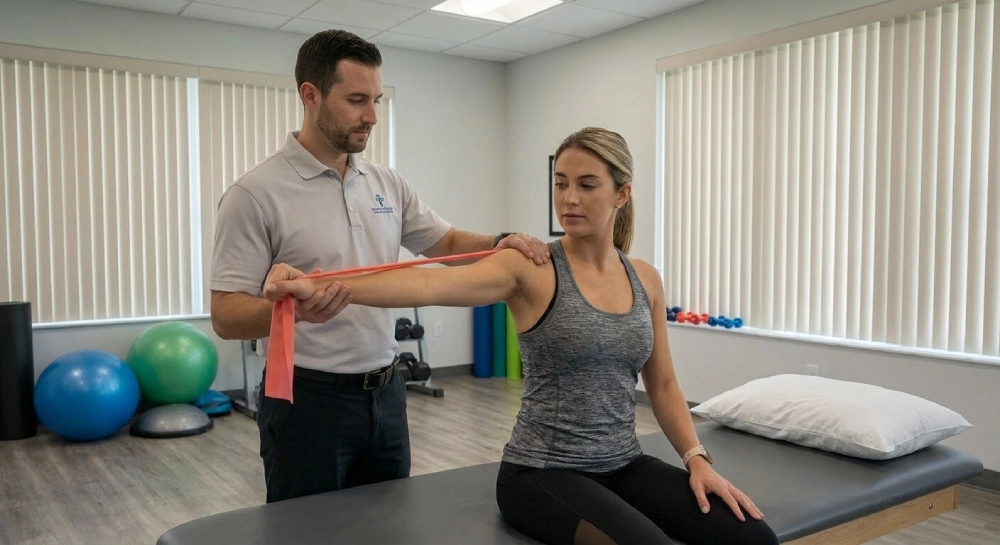
Healing a rotator cuff injury without surgery isn't fast. You're looking at weeks to months of consistent effort. Progress won't be linear — some days will feel better than others. But if you stick with the plan, attend your therapy sessions, and follow your provider's guidance, most patients see meaningful improvement.
Communication with your healthcare team is critical. If something isn't working, speak up. If pain worsens or new symptoms appear, don't wait. Adjustments to your treatment plan can make all the difference.
- Attend every scheduled physical therapy session
- Complete your home exercise program daily
- Avoid activities that aggravate your symptoms
- Track your progress and report changes to your provider
- Be patient — healing takes longer than you think
Red Flags You Shouldn't Ignore
Most rotator cuff tears improve with conservative care. But some don't. If you experience sudden, severe pain, complete loss of shoulder function, or signs of infection like fever, redness, or swelling, get evaluated immediately. These could indicate a more serious problem that requires urgent attention.
Early intervention matters. The sooner you address a problem, the better your chances of avoiding complications or needing surgery down the line.
- Severe, unrelenting pain despite treatment
- Sudden inability to lift or move your arm
- Signs of infection such as warmth, redness, or fever
- Worsening weakness or loss of function over time
- No improvement after several weeks of conservative care
When Conservative Care Isn't Enough
Not every tear responds to non-surgical treatment. Large, full-thickness tears, especially in younger, active patients, may require surgical repair to restore full function. If you've given conservative care a fair shot — usually three to six months — and you're still struggling, it's time to revisit the conversation with your orthopedic specialist.
Surgery isn't failure. It's a different path. But it's one you should only take after exhausting the alternatives and understanding what it entails.
Documentation Backs Up Your Decisions
Whether you're pursuing non-surgical treatment or considering surgery later, keep records. Document your symptoms, treatment dates, therapy sessions, and any imaging results. If you need to file an insurance claim or seek a second opinion, having a clear paper trail makes everything easier.
This isn't paranoia — it's smart planning. The more organized you are, the smoother your care will be.
- Keep copies of all imaging reports and physician notes
- Track your physical therapy attendance and progress
- Document any medications or injections you receive
- Note changes in symptoms or function over time
- Save receipts for out-of-pocket expenses related to treatment
Finding the Right Provider in Pembroke Pines
Not all providers approach rotator cuff tears the same way. Some are quick to recommend surgery. Others prioritize conservative care. In Pembroke Pines, you have options — orthopedic specialists, sports medicine doctors, and physical therapists who specialize in shoulder pain relief. Do your homework. Ask about their approach, success rates, and how they handle cases like yours.
A good provider will listen, explain your options clearly, and involve you in the decision-making process. If you feel rushed or dismissed, find someone else.
- Look for providers with experience treating rotator cuff injuries conservatively
- Ask about their success rates with non-surgical treatment
- Check reviews and ask for referrals from other patients
- Make sure they communicate clearly and answer your questions
- Verify they accept your insurance and understand your coverage
Commitment Beats Convenience Every Time
Treating a rotator cuff tear without surgery isn't the easy route. It requires discipline, patience, and a willingness to do the work even when progress feels slow. But for many patients in Pembroke Pines, it's the right route — one that avoids the risks, costs, and downtime of surgery while still delivering real results. If you're dealing with shoulder pain, don't assume surgery is inevitable. Explore your options, commit to the process, and give conservative care a fair shot. Your shoulder — and your schedule — might thank you for it.
Let's Get You Back to What You Love
We know how important it is to get back to your daily routine without shoulder pain holding you back. If you're ready to take the next step toward recovery, let's work together to create a plan that fits your needs. Call us at 954 367-4000 or request an appointment and start your journey to a stronger, pain-free shoulder today.
‹ Back
Recent Posts
-
Shockwave Therapy in Knoxville for Chronic Prostatitis
September 16, 2026
-
Can Physical Therapy in North Miami Beach Ease Neck Pain From Sports?
September 2, 2026
-
-
Can Physical Therapy in Davie Help After an ACL Tear?
August 5, 2026
-