






Is Class IV Laser Therapy in Aventura Helpful for Rotator Cuff Recovery?
Shoulder pain doesn't just slow you down—it stops you cold. And when that pain comes from a rotator cuff injury, the recovery timeline can feel endless. Most people think rest and ice will do the trick. They won't. Not if the damage runs deeper than surface inflammation. That's where treatment options start to matter, and where Class IV laser therapy enters the conversation. But does it actually work, or is it just another expensive detour on the road to healing?
We've seen plenty of Aventura residents chase quick fixes only to end up back at square one. The truth is, rotator cuff recovery isn't about one magic bullet. It's about choosing interventions that target the root cause—tissue damage, inflammation, and impaired circulation—and doing it with precision. Class IV laser therapy claims to do exactly that. So let's break down what it is, how it works, and whether it's worth your time.
The Rotator Cuff Takes More Abuse Than You Think
Your shoulder isn't built like a hinge. It's a ball-and-socket joint held together by four muscles and their tendons—the rotator cuff. That setup gives you range of motion, but it also makes the shoulder vulnerable. Overhead lifting, repetitive throwing, even sleeping wrong can strain or tear those tendons. And once they're damaged, they don't bounce back on their own.
Most injuries fall into two camps: acute tears from trauma and chronic wear from overuse. Either way, the symptoms look the same—pain, weakness, limited mobility, and a nagging sense that something's off. Traditional treatment leans on physical therapy, anti-inflammatories, and sometimes surgery. But those paths take time, and not everyone gets full relief. That's why alternative therapies like laser treatment are gaining traction.
Class IV Lasers Aren't Your Typical Light Show
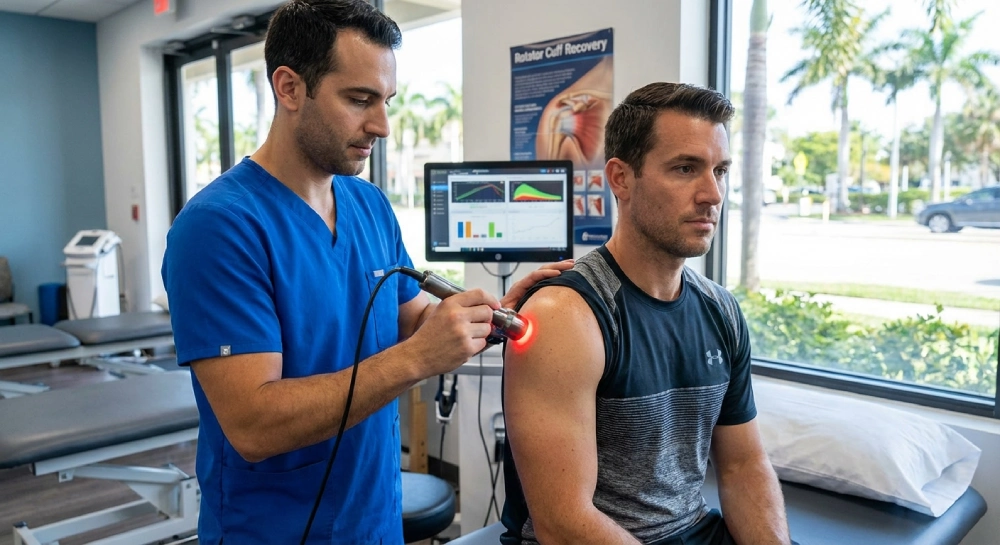
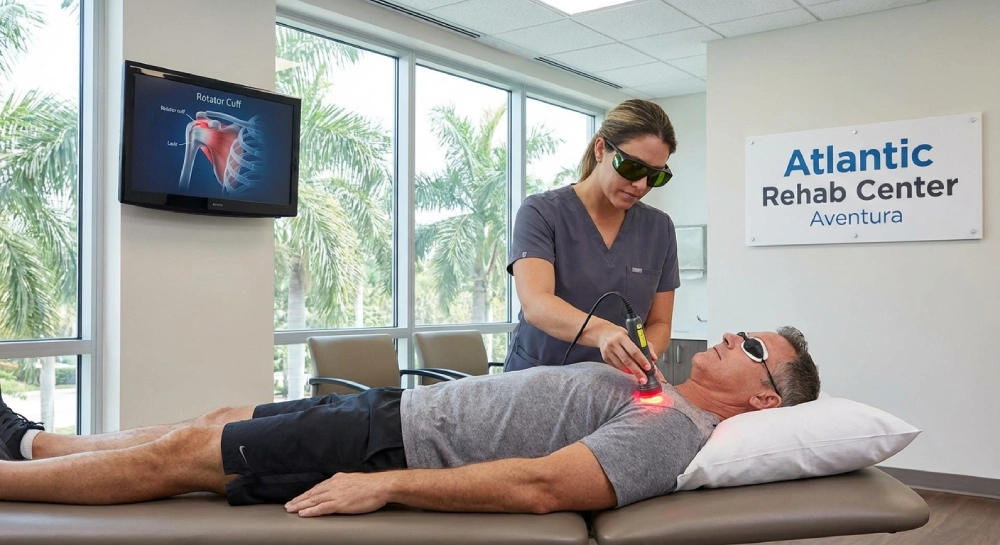
Class IV laser therapy uses high-powered light to penetrate deep into tissue. Unlike the low-level lasers you might see in a spa, Class IV devices deliver enough energy to reach muscles, tendons, and ligaments several centimeters below the skin. The light interacts with cells at a molecular level, triggering biological responses that promote healing.
Sessions are quick—usually under fifteen minutes—and completely non-invasive. No needles, no incisions, no downtime. You sit or lie down, the clinician positions the laser over your shoulder, and the device does its work. Most patients feel warmth, maybe a slight tingling. Then you're done. It's efficient, and that efficiency matters when you're trying to get back to normal life without losing weeks to recovery.
How the Therapy Targets Damaged Tissue
The science behind Class IV laser therapy centers on photobiomodulation. When laser light hits damaged cells, it stimulates mitochondria—the powerhouses of the cell—to produce more ATP, the energy currency your body uses for repair. More ATP means faster tissue regeneration, which is critical when you're dealing with torn or inflamed tendons.
But that's not all. The therapy also modulates inflammation by reducing pro-inflammatory markers and boosting anti-inflammatory signals. Less swelling means less pain and better mobility. On top of that, the laser enhances microcirculation, flooding the injured area with oxygen and nutrients while flushing out metabolic waste. It's a multi-pronged attack on the factors that slow down healing.
What the Research Actually Says
Clinical studies on laser therapy for musculoskeletal injuries show promising results. Patients treated with Class IV lasers often report faster pain reduction and improved function compared to those who stick with conventional care alone. Range of motion improves, strength returns sooner, and the need for pain medication drops.
That said, the research isn't bulletproof. Sample sizes vary, protocols differ, and not every study controls for confounding factors like concurrent physical therapy. But the trend is clear: when used as part of a comprehensive rehab plan, laser therapy can accelerate recovery. It's not a standalone cure, but it's a legitimate tool in the toolkit.
in the toolkit.
What to Expect from Treatment in Aventura
If you're considering Class IV laser therapy in Aventura, here's how it typically unfolds. First, a healthcare provider evaluates your injury—severity, location, and overall health. Not everyone qualifies. Certain conditions, like active cancer or pregnancy, rule out laser treatment. Assuming you're cleared, the provider designs a treatment plan tailored to your needs.
Most protocols involve multiple sessions over several weeks. Frequency depends on the injury, but twice a week is common. You'll likely pair laser therapy with therapeutic exercise to rebuild strength and stability. The combination matters. Laser therapy can reduce pain and inflammation, but it won't restore function on its own. You still need to put in the work.
When Laser Therapy Makes Sense
Class IV laser therapy isn't for everyone, and it's not a replacement for surgery when surgery is necessary. But it shines in specific scenarios:
- Partial rotator cuff tears that haven't responded to conservative treatment
- Chronic tendinitis or bursitis causing persistent shoulder pain
- Post-surgical recovery to speed up tissue healing and reduce scar tissue
- Athletes or active individuals who need to return to performance quickly
- Patients who want to avoid or delay surgery
The Limitations You Need to Know
Laser therapy has its limits. It won't repair a complete rotator cuff tear that requires surgical reattachment. It won't fix structural issues like bone spurs or severe arthritis. And it won't work miracles if you skip the rehab exercises or keep aggravating the injury.
There's also the cost factor. Insurance coverage for Class IV laser therapy varies, and some patients end up paying out of pocket. Sessions can run anywhere from $50 to $200 each, depending on the clinic and treatment plan. That adds up, especially if you need ten or more sessions. Weigh the investment against the potential benefits and your other options.
Red Flags That Mean You Need a Different Approach
Certain symptoms signal that laser therapy alone won't cut it. If you're dealing with any of the following, surgery or more aggressive intervention might be necessary:
- Complete rotator cuff tear confirmed by MRI
- Severe weakness that prevents you from lifting your arm
- Persistent pain despite months of conservative treatment
- Significant loss of shoulder function affecting daily activities
- Acute trauma with visible deformity or instability
Combining Laser Therapy with Physical Rehab
Laser therapy works best when it's part of a broader strategy. Physical therapy exercises strengthen the rotator cuff muscles, improve flexibility, and restore normal movement patterns. Manual therapy techniques can address scar tissue and joint restrictions. And activity modification prevents re-injury while you're healing.
Think of laser therapy as the catalyst that speeds up the process. It reduces pain and inflammation so you can tolerate rehab exercises better. It enhances tissue repair so your body rebuilds stronger. But without the exercises, you're leaving gains on the table. The two work in tandem, not in isolation.
Finding the Right Provider in Aventura
Not all clinics offering Class IV laser therapy are created equal. Look for providers with experience treating rotator cuff injuries specifically. Ask about their protocols, success rates, and how they integrate laser therapy with other treatments. A good provider will assess your injury thoroughly, set realistic expectations, and adjust the plan based on your progress.
Credentials matter too. Physical therapists, chiropractors, and sports medicine doctors may all offer laser therapy, but their training and approach can differ. Choose someone who understands shoulder biomechanics and has a track record of helping patients recover from similar injuries.
Common Mistakes That Derail Recovery
Even with advanced treatments like laser therapy, patients make avoidable errors that slow progress:
- Skipping rehab exercises because pain has decreased
- Returning to full activity too soon and re-injuring the shoulder
- Expecting laser therapy to work without addressing underlying movement patterns
- Ignoring pain signals and pushing through discomfort
- Failing to follow up with the provider to adjust the treatment plan
The Timeline for Seeing Results
Most patients notice some improvement within the first few sessions—less pain, better sleep, easier movement. But meaningful recovery takes longer. Tissue healing doesn't happen overnight, even with laser therapy accelerating the process. Plan on several weeks to a few months, depending on the severity of your injury and how well you adhere to the full rehab program.
Patience pays off. Rushing the process or expecting instant results sets you up for disappointment. Track your progress, celebrate small wins, and trust that consistent effort compounds over time.
When to Call in a Specialist
If you've tried laser therapy and rehab for several weeks without improvement, it's time to reassess. A specialist can order advanced imaging, rule out complications, and determine if surgery or another intervention is warranted. Don't let stubbornness or fear of surgery keep you stuck in a cycle of chronic pain and limited function.
Recovery Requires More Than Just Showing Up
Class IV laser therapy offers real benefits for rotator cuff recovery, but it's not a passive fix. You can't just lie on a table, soak up some light, and expect your shoulder to heal itself. The therapy works when it's paired with smart rehab, consistent effort, and a willingness to address the habits or movements that caused the injury in the first place. For Aventura residents dealing with shoulder pain relief, laser therapy is a tool worth considering—just make sure you're using it as part of a complete strategy, not a shortcut.
Let’s Get You Back to What You Love
We know how frustrating it is to be sidelined by shoulder pain, especially when you’re eager to get back to your routine. If you’re ready to explore Class IV laser therapy as part of a comprehensive recovery plan, let’s talk about your options and create a strategy that works for you. Call us at 954 474-3611 or request an appointment—together, we’ll help you move forward with confidence.
‹ Back
Recent Posts
-
Pelvic Health Therapy in Knoxville for Incontinence After Childbirth
September 30, 2026
-
Shockwave Therapy in Knoxville for Chronic Prostatitis
September 16, 2026
-
Can Physical Therapy in North Miami Beach Ease Neck Pain From Sports?
September 2, 2026
-
-
Can Physical Therapy in Davie Help After an ACL Tear?
August 5, 2026