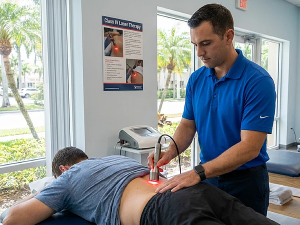








Easing Sciatic Nerve Pain & SI Joint Pain With Targeted Therapy
Most people think sciatic nerve pain and SI joint dysfunction are just part of getting older. Aches that show up, stick around, and eventually fade into background noise. But the body doesn't work that way — and if you're ignoring the signals, you're setting yourself up for worse. These aren't vague discomforts. They're specific mechanical breakdowns with specific fixes. Especially if you're willing to address the root cause instead of chasing temporary relief.

So here's what matters. If you're dealing with radiating leg pain or deep pelvic instability, that's your body telling you something's off. Just don't treat symptoms like they're the whole story. Every flare-up has a trigger. Every movement pattern leaves clues. And every treatment decision should be grounded in what's actually broken — not just what hurts the loudest.
When Pain Radiates Down the Leg
Sciatica isn't a diagnosis — it's a symptom. The sciatic nerve runs from your lower spine all the way down to your foot, and when something compresses or irritates it, you feel it everywhere along that path. Sharp shooting pain. Numbness. Tingling that won't quit. Most of the time, it's a herniated disc or spinal stenosis doing the damage. Sometimes it's a tight piriformis muscle clamping down on the nerve like a vise.
SI joint pain works differently. The sacroiliac joints connect your spine to your pelvis, and when they get inflamed or misaligned, the pain sits deep in your lower back or buttocks. It can mimic sciatica relief, but the source is structural instability — not nerve compression. Pregnancy, arthritis, uneven leg length, or just years of poor movement patterns can all throw those joints out of whack.
Therapy That Actually Targets the Problem
Generic stretching routines and over-the-counter painkillers might take the edge off, but they don't fix anything. Targeted therapy means identifying the exact tissue or joint that's failing and applying interventions designed to restore function. Not just mask it. Not just manage it. Restore it.
We're talking about treatment plans built around your specific biomechanics, your pain triggers, and your movement deficits. That's how you get lasting results instead of temporary Band-Aids. And that's why cookie-cutter protocols fail most people who actually need help.
Physical Therapy Builds the Foundation
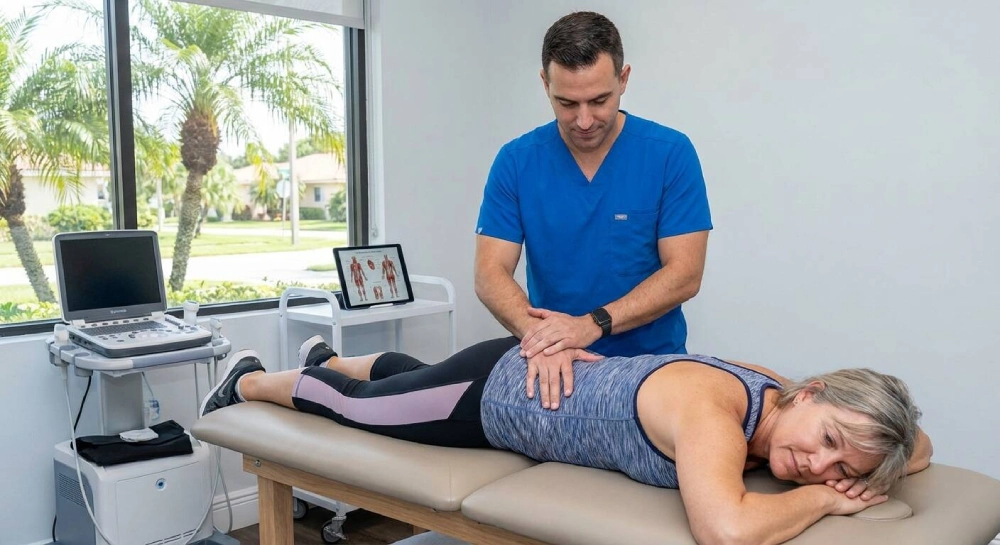
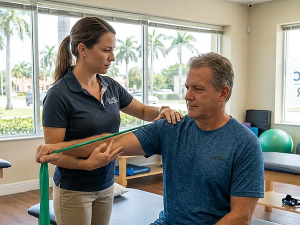
A good physical therapist doesn't just hand you a sheet of exercises and send you home. They assess how you move, where you're compensating, and what's weak or tight. Then they build a program that addresses those gaps. For sciatica, that might mean decompressing the nerve through targeted stretches and strengthening the muscles that support spinal alignment. For SI joint pain, it's about stabilizing the pelvis and correcting the imbalances that caused the problem in the first place.
Here's what effective physical therapy includes:
- Stretching protocols for the hamstrings, hip flexors, and piriformis to relieve nerve tension
- Core and glute strengthening to support the spine and pelvis under load
- Manual therapy techniques like joint mobilization and myofascial release to restore range of motion
- Postural retraining so you stop reinforcing the same dysfunctional patterns
- Movement education that teaches you how to lift, sit, and stand without aggravating the injury
Other Interventions That Move the Needle
Physical therapy is the backbone, but it's not the only tool. Depending on severity and response, other targeted therapies can accelerate recovery or provide relief when conservative measures plateau.
- Chiropractic adjustments to realign the spine and pelvis, reducing mechanical stress on nerves and joints
- Acupuncture for pain modulation and inflammation control, especially in chronic cases
- Corticosteroid or anesthetic injections to calm acute flare-ups and create a window for rehab
- Heat and cold therapy to manage inflammation and improve tissue pliability
- Yoga or Pilates for controlled movement and body awareness, particularly useful for long-term maintenance
Red Flags That Demand Immediate Attention
Most sciatic and SI joint pain responds well to conservative treatment. But some symptoms signal something more serious. Sudden weakness in the leg. Loss of bladder or bowel control. Pain that gets worse no matter what you do. These aren't things you wait out or try to stretch away.
If you're experiencing any of those, get evaluated immediately. Cauda equina syndrome, severe disc herniation, or spinal infection can all present with similar symptoms — and they require urgent medical intervention. Don't gamble with nerve damage because you wanted to avoid a doctor's visit.
Preventing the Next Flare-Up
Once you've gotten relief, the goal shifts to keeping it. That means maintaining the strength and mobility you built during rehab. It means staying aware of how you move throughout the day. And it means not falling back into the habits that broke you down in the first place.
Here's what long-term management looks like:
- Regular exercise that includes both strength training and flexibility work
- Maintaining a healthy weight to reduce load on the spine and pelvis
- Practicing proper lifting mechanics and avoiding prolonged sitting
- Scheduling periodic check-ins with a physical therapy clinic or chiropractor to catch issues early
- Listening to your body when it starts sending signals instead of pushing through pain
Documentation Backs Up Your Progress
If you're working with a therapist or pursuing treatment through insurance, keep records. Track your pain levels, range of motion improvements, and functional milestones. Document what works and what doesn't. This isn't just for your provider — it's for you. When you can see measurable progress, you're more likely to stay consistent. And when something isn't working, you have the data to pivot quickly.
Stop Waiting for It to Go Away on Its Own
Sciatic nerve pain and SI joint dysfunction don't resolve themselves through wishful thinking. They respond to deliberate, targeted intervention. The longer you wait, the more compensations you build, and the harder it becomes to unwind the damage. There's no prize for toughing it out. There's only lost time and worsening function.
Targeted therapy works because it treats the cause, not just the symptom. It rebuilds what's broken instead of covering it up. And it gives you the tools to stay functional long after the pain fades. If you're still limping through your day or avoiding activities you used to love, it's time to stop guessing and start fixing what's actually wrong with back pain relief and hip pain relief strategies that address the root cause.
Let’s Get You Moving Again
We know how frustrating it is to feel held back by pain, especially when you just want to get back to your life. If you’re ready to take the next step toward real relief, let’s work together to find the right solution for your body. Give us a call at 954 474-3611 or request an appointment and let’s start your path to lasting recovery.
‹ Back
Recent Posts
-
Shockwave Therapy in Knoxville for Chronic Prostatitis
September 16, 2026
-
Can Physical Therapy in North Miami Beach Ease Neck Pain From Sports?
September 2, 2026
-
-
Can Physical Therapy in Davie Help After an ACL Tear?
August 5, 2026
-