







How Class IV Laser Therapy Supports Recovery From Patellar Tendinitis
Jumper's knee doesn't care if you're a weekend warrior or a seasoned athlete. The pain shows up, the inflammation sets in, and suddenly every step feels like a negotiation. Most people think rest and ice will fix it. Sometimes they do. But when that tendon keeps screaming, you need more than time — you need a strategy that actually addresses what's broken at the cellular level.
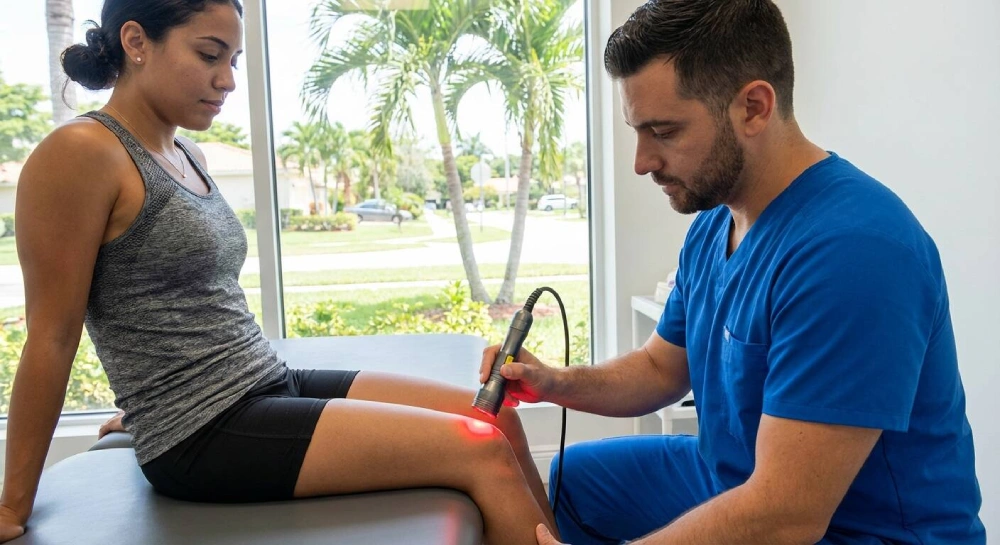
Class IV laser therapy isn't a magic wand. It's a tool. A precise one. And when it's used right, it can cut recovery time, reduce inflammation, and get you back to movement without surgery or a pharmacy receipt. The question isn't whether it works — it's whether you understand how to use it and what it's actually doing under the skin.
The Tendon Doesn't Heal Like Skin
Patellar tendinitis happens when repetitive stress creates microtears in the tendon connecting your kneecap to your shin. Those tears don't close up overnight. Tendons have limited blood supply, which means healing is slow and incomplete if you don't intervene. That's why so many people end up stuck in a cycle of flare-ups and setbacks.
Traditional treatments focus on managing symptoms — rest, ice, anti-inflammatories. That's fine for acute pain, but it doesn't rebuild damaged tissue. Class IV laser therapy goes deeper. It targets the cells responsible for repair and gives them the energy they need to do their job faster and more effectively.
Light Penetrates Where Pills Can't Reach
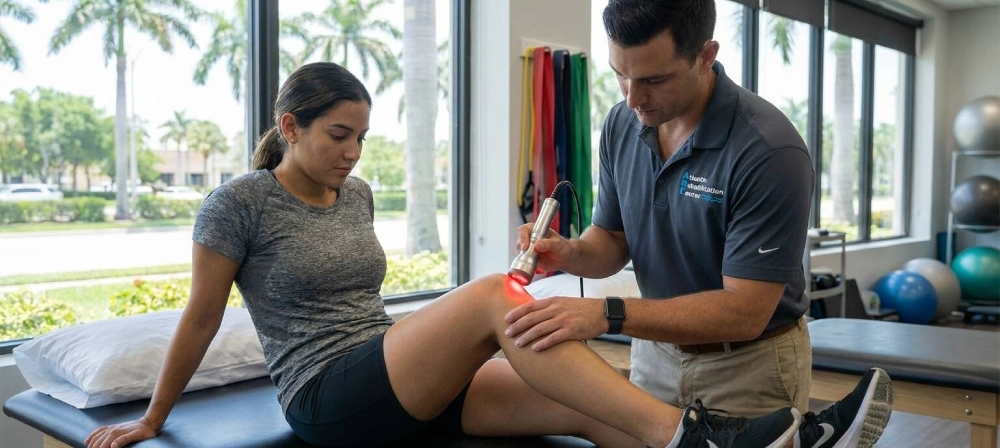
Class IV lasers deliver high-powered wavelengths that penetrate several centimeters into tissue. That's not surface-level stuff. We're talking about reaching the tendon itself, the surrounding fascia, and the cellular structures that control inflammation and repair. The light gets absorbed by mitochondria, which then ramp up ATP production — the fuel your cells need to rebuild.
This isn't guesswork. The biological response is measurable. Increased ATP means faster tissue regeneration. Reduced inflammatory markers mean less swelling and pain. Enhanced microcirculation means oxygen and nutrients flow where they're needed most. It's a cascade of healing mechanisms triggered by controlled light exposure.
What Happens During a Session
You're not lying on a table for hours. Most Class IV laser sessions last between five and ten minutes. The clinician positions the laser over the affected area, and you feel warmth — sometimes a mild tingling. No pain, no needles, no downtime afterward. You can walk out and go about your day.
The effects build over multiple sessions. We typically see protocols ranging from six to twelve treatments, depending on severity. Some patients notice relief after the first session. Others need a few rounds before the inflammation drops and mobility improves. Either way, the therapy is cumulative, and the benefits compound as tissue repair progresses.
Why It Works Better Than Rest Alone
Rest stops the damage from getting worse. Laser therapy actively reverses it. Here's what the research and clinical outcomes consistently show:
- Mitochondrial activity spikes, accelerating cellular energy production and repair
- Pro-inflammatory cytokines decrease while anti-inflammatory mediators increase
- Blood vessel dilation improves nutrient delivery and waste removal
- Fibroblast activity ramps up, leading to stronger collagen synthesis
- Nerve sensitivity decreases, providing both immediate and sustained pain relief
These aren't abstract benefits. They translate into real-world outcomes — less pain, better range of motion, and a faster return to activity. And because the therapy is non-invasive, there's no recovery from the recovery. You're not trading one problem for another.
The Inflammation Problem Gets Solved, Not Masked
Anti-inflammatories reduce swelling, but they don't fix the underlying tissue damage. Laser therapy does both. By modulating the inflammatory response at the cellular level, it creates an environment where healing can actually happen. The swelling goes down because the body no longer needs to flood the area with immune cells — the repair process is already underway.
This is especially important for chronic cases. If you've been dealing with patellar tendinitis for months, your body may have shifted into a low-grade inflammatory state that never fully resolves. Laser therapy breaks that cycle by resetting the cellular environment and giving damaged tissue a clear path to recovery.
Pairing Laser Therapy With Smart Rehab
Laser therapy isn't a solo act. It works best when combined with targeted physical therapy, eccentric strengthening, and activity modification. The laser accelerates tissue repair, which means you can tolerate rehab exercises sooner and with less discomfort. That's a huge advantage when you're trying to rebuild strength without re-injuring the tendon.
We've seen patients who couldn't complete a single eccentric squat without pain progress to full loading within weeks once laser therapy was added to their program. The therapy doesn't replace the work — it makes the work possible. And that's the difference between spinning your wheels and actually getting somewhere.
Who Benefits Most
Class IV laser therapy is particularly effective for:
- Athletes dealing with chronic or recurrent patellar tendinitis
- Patients who haven't responded to conservative treatments like rest and ice
- Individuals looking to avoid corticosteroid injections or surgery
- Active people who need to return to sport or work quickly
- Anyone with limited blood flow to the tendon due to age or other factors
What the Research Actually Says
Clinical studies on Class IV laser therapy for tendinopathies show consistent improvements in pain scores, functional outcomes, and tissue quality. Imaging studies reveal increased collagen organization and reduced inflammatory markers post-treatment. Patient-reported outcomes align with objective measures — people feel better because the tissue is actually healing, not just because the pain is being masked.
This isn't fringe medicine. It's evidence-based, widely used in sports medicine and orthopedic clinics, and backed by peer-reviewed research. The challenge isn't proving it works — it's making sure patients know it's an option before they spend months stuck in a holding pattern.
When to Consider It
If you've been dealing with patellar tendinitis for more than a few weeks and traditional treatments aren't cutting it, laser therapy deserves a spot in your recovery plan. It's not about replacing everything else — it's about adding a tool that addresses the problem at a deeper level. The sooner you start, the less time you spend sidelined.
Talk to a provider who understands both the technology and the injury. Not every clinic offers Class IV lasers, and not every practitioner knows how to dose them correctly. Find someone who treats athletes or active patients regularly, and who can integrate laser therapy into a broader rehab strategy. That's where the real results happen — when the therapy is part of a plan, not just a standalone treatment.
Recovery Isn't Just About Time
Patellar tendinitis will heal eventually if you give it enough rest. But "eventually" isn't a strategy. Class IV laser therapy compresses the timeline, reduces the risk of re-injury, and gets you back to full function without the guesswork. It's not about shortcuts — it's about using the right tools to support what your body is already trying to do. And when the alternative is months of frustration or invasive procedures, that's a trade worth making.
Let's Get You Moving Again
We know how frustrating it is to be held back by knee pain, especially when you’re ready to get back to the activities you love. Let’s work together to create a recovery plan that actually delivers results. Call us at 954 367-4000 or request an appointment and take the first step toward real relief and lasting progress.
‹ Back
Recent Posts
-
-
Pelvic Health Therapy in Knoxville for Incontinence After Childbirth
September 30, 2026
-
Shockwave Therapy in Knoxville for Chronic Prostatitis
September 16, 2026
-
Can Physical Therapy in North Miami Beach Ease Neck Pain From Sports?
September 2, 2026
-